Somewhere around 25 million American adults have eyelid mites right now and most of them have no idea. The itching feels like allergies. The morning crust gets blamed on poor sleep. The dry, gritty sensation gets attributed to screen time or aging. For many patients in South Florida, the actual cause is Demodex blepharitis - a microscopic infestation of the eyelid margin that is diagnosable, treatable, and, when left unaddressed, a direct threat to the safety of elective eyelid surgery.
Two Mite Species With Different Addresses in the Eyelid
Demodex is not a single organism. Two distinct species occupy separate anatomical zones in the human eyelid, and that separation matters for understanding both symptoms and treatment.
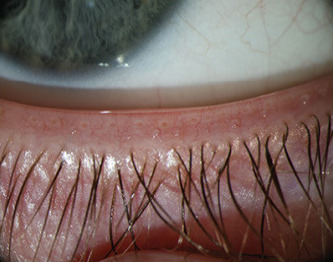
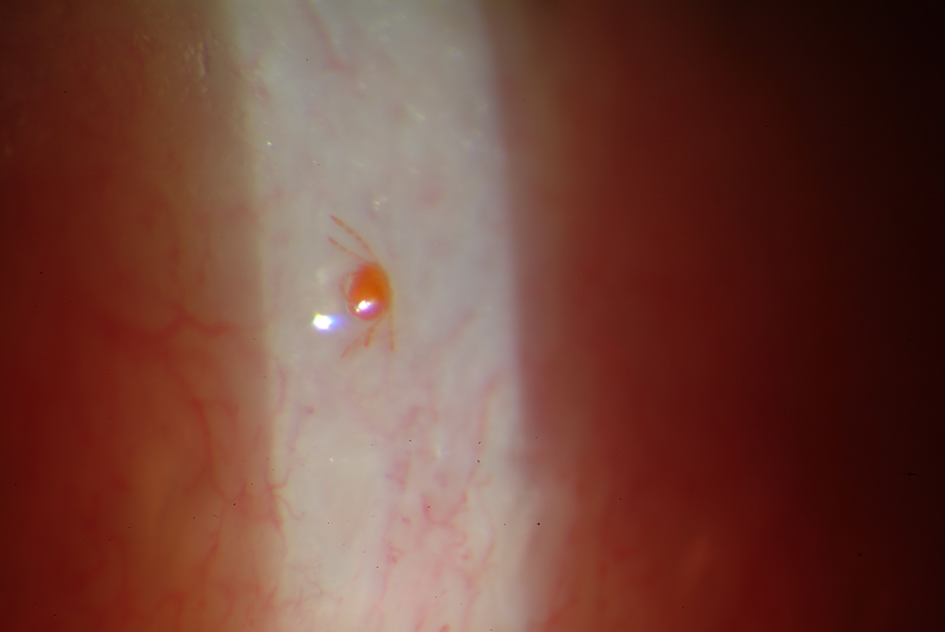
Demodex folliculorum is the larger of the two. It colonizes the hair follicles of the eyelashes, with multiple mites anchoring at each follicle opening. Its presence at the surface disrupts follicle architecture, triggers an immune response at the lid margin, and produces the visible sign clinicians use to confirm the diagnosis.
Demodex brevis is shorter and lives deeper. It burrows into the meibomian glands and sebaceous glands embedded within the eyelid tissue itself. Because it occupies territory that cannot be seen directly at the lash base, D. brevis infestations are harder to quantify and harder to reach with surface-level treatments. Its impact falls squarely on the lipid layer of the tear film.
- D. folliculorum lives in lash follicles, causes surface lid margin inflammation, and produces collarettes
- D. brevis lives in meibomian and sebaceous glands, disrupts the oil layer of tears, and accelerates evaporative dry eye
- Both species coexist in most infested patients; heavy infestation typically involves both zones simultaneously
- Treatments applied only at the surface primarily address D. folliculorum and do not adequately reach D. brevis in the deeper glands
This anatomical split explains why many patients with Demodex blepharitis keep experiencing dry eye symptoms even after their lid margins look cleaner. The deeper species continues damaging the glands responsible for tear stability regardless of what is happening at the surface.
How the Mites Damage the Eyelid and Tear Film
The Demodex lifecycle runs approximately 14 days from egg to reproductive adult. Eggs deposited inside the follicle hatch within 3-4 days; larvae mature into adults in roughly 7 more. Mating occurs at the follicle opening, where mites congregate nightly - which is why symptoms are worst in the morning, after a full night of activity, waste deposition, and mechanical irritation of the follicle walls.
The physical damage accumulates along several pathways:
- Mite waste products and shed exoskeletons drive chronic low-grade inflammation at the lid margin
- The biofilm the colony inhabits thickens over time, trapping dead mites and debris at the lash base
- D. folliculorum dilates the follicle mechanically, weakening lash anchoring and contributing to lash loss
- D. brevis blocks meibomian gland orifices and degrades gland tissue, reducing the lipid output that stabilizes the tear film
- The resulting meibomian gland dysfunction (MGD) produces an unstable tear film even when aqueous production is normal
This cascade - mites, inflammation, MGD, evaporative dry eye - explains why treating only the surface of the lid margin provides partial or temporary relief. Until the D. brevis population in the glands is addressed, the mechanism driving dry eye continues operating.
Who Gets It and Why South Florida Raises the Risk
Demodex blepharitis is not a condition of the unlucky few. Prevalence climbs steadily with age: roughly 69% of adults between 31 and 50 harbor the mites at symptomatic levels, that figure rises to approximately 84% by age 60, and by age 70 or older it approaches 100%. Among patients already presenting to eye clinics, studies have found prevalence as high as 57.7%. The Titan study found that 56% of patients scheduled for cataract surgery had Demodex blepharitis with collarettes on examination - a figure that should give any preoperative surgical team pause.
South Florida compounds this baseline risk in a specific way. Warm, humid climates increase sebum production - the mites' primary food source - and support a larger population on the skin surface at any given time. Research documents a statistically significant seasonal increase in consultations during warm months. South Florida has no cold-month reprieve. The climate that makes the region attractive also maintains year-round conditions ideal for mite proliferation.
Several systemic conditions accelerate infestation, and this list overlaps substantially with the profile of cosmetic eyelid surgery candidates in this region:
- Rosacea - lipid-rich skin and chronic inflammation create favorable conditions
- Seborrheic dermatitis - increased sebum and skin cell turnover feed the colony
- Diabetes and metabolic disease - altered skin microbiome and immune surveillance
- Immunosuppression - reduced immune clearance at the skin surface
- Elevated alcohol intake and smoking - both alter sebaceous gland function
- High cumulative sun exposure - a near-universal factor among South Florida patients
Recognizing the Signs: Collarettes and What Sets Demodex Apart
The symptoms patients describe - itchy, crusty lids that feel worst in the morning, a gritty sensation, intermittent redness along the lid margin - overlap with every other form of blepharitis. The distinguishing feature is not the symptoms themselves; it is one specific physical finding.
Collarettes are cylindrical, waxy, sleeve-like deposits that wrap the base of individual eyelashes. They are the pathognomonic sign of Demodex blepharitis, meaning their presence on slit-lamp examination points to one diagnosis and no other. Staphylococcal blepharitis produces flaky, brittle scurf that breaks apart when touched; bacterial lid disease leaves irregular clumps on the lash surface. Collarettes are different - they encircle the lash shaft like a tight cylindrical cuff right at the follicle opening, and they do not brush off easily.
The morning-heavy symptom pattern reflects the nocturnal lifecycle of the mites. By the time a patient wakes, a full night of activity, egg-laying, and waste deposition has occurred at the follicle openings. Symptoms peak in the early morning and may ease through the day as mites retreat back into the follicle - a pattern that does not fit the temporal profile of allergy or infection.
How a Surgeon Confirms the Diagnosis
Clinical confirmation begins at the slit lamp. Under magnification, a trained examiner counts collarettes along both the upper and lower lash margins. The threshold commonly used to define clinically meaningful infestation - including as an entry criterion for the pivotal Xdemvy trials - is more than 10 upper eyelid lashes bearing collarettes per eye. Below that threshold, colonization may exist without driving significant disease; above it, the infestation is dense enough to require treatment before any elective lid procedure proceeds.
When the picture is ambiguous, or when symptoms are disproportionate to surface findings, two or three lashes can be epilated from each lid and examined under light microscopy. Mites, eggs, and shells visible on the lash shaft confirm active infestation and allow rough quantification of mite load.
Clearing Demodex before blepharoplasty is not a precaution that can be deferred - it is the difference between a predictable healing course and one complicated by ongoing lid margin inflammation and amplified dry eye that neither the surgeon nor the patient expected.
Treatment: From Lid Hygiene to the First FDA-Approved Drug
Why over-the-counter products fall short
Tea tree oil can kill Demodex mites, and concentration determines how fast and how effectively it works. Clinical treatment protocols have commonly used concentrations of 50% or higher because they achieve faster mite kill in treatment settings. However, higher concentrations of tea tree oil are also irritating to the corneal surface. Commercial eyelid wipes use much lower concentrations and are not formulated to eradicate an active infestation. These products help maintain lid hygiene and can modestly reduce mite populations, but they cannot clear an established infestation on their own.
In-office mechanical debridement
BlephEx is an in-office procedure in which a motorized medical-grade microsponge is applied along the lash margin for roughly 6-10 minutes. The objective is mechanical removal of collarettes, mite eggs, and the biofilm the colony inhabits - the physical substrate that home scrubbing cannot adequately reach. Debridement reduces mite load enough that subsequent pharmacologic treatment works from a cleaner starting point.
Xdemvy: the first prescription treatment designed specifically for this condition
In July 2023, the FDA approved Xdemvy (lotilaner ophthalmic solution 0.25%, Tarsus Pharmaceuticals) as the first and only prescription drug indicated specifically for Demodex blepharitis. The course is one drop per eye twice daily for 6 weeks.
Lotilaner's mechanism is precise. It blocks GABA-gated chloride channels - the ion channels that regulate nerve impulse inhibition in invertebrates. When these channels are blocked, the mite loses control of nerve signaling, enters spastic paralysis, and starves. In laboratory testing, lotilaner shows no inhibitory activity on mammalian GABA-gated chloride channels at concentrations tested up to approximately 1,100 times the recommended human ophthalmic dose, confirming a wide margin of safety between the invertebrate-targeted therapeutic effect and any potential mammalian channel activity. That selectivity is why the drug can be applied directly to the eye without significant toxicity to human tissue - a key concern given how close the treatment site is to the cornea.
In pooled phase 2 and 3 clinical trials across 980 patients, a clinically meaningful reduction in collarettes occurred in 81-93% of eyes, and mite eradication confirmed by microscopy of epilated lashes reached 52-78%. The 6-week duration reflects the biology directly: covering multiple complete Demodex generations ensures that eggs already laid at treatment start cannot hatch, mature, and repopulate the colony before the course ends. A shorter course would kill adults while leaving the next generation intact.
Why Active Demodex Infestation Matters Before Blepharoplasty
Postoperative dry eye disease after blepharoplasty occurs across a wide range - studies place it somewhere between roughly 0% and 26.5% of cases, depending on technique, patient selection, and preoperative lid health. That range is not random. It reflects the variability in tear film function and meibomian gland integrity that patients bring to the operating room.
Blepharoplasty, particularly upper lid surgery, reduces the resting closure force of the eyelid in the early postoperative period. Even when the surgical result is anatomically ideal, the temporary reduction in closure efficiency means the tear film must do more work to maintain corneal coverage. The upper eyelid contains roughly 25 to 40 meibomian glands - commonly cited around 30; the lower lid contains roughly 20 to 30. If those glands are already compromised by D. brevis infestation, surgery amplifies a pre-existing deficit at exactly the moment the eye has less mechanical compensation available.
Postoperative lid margin inflammation - a predictable feature of any incision near the lash line - is further amplified by ongoing mite-driven inflammatory response. The result can be prolonged healing, persistent lid redness, and dry eye symptoms that outlast what the surgical change alone would be expected to produce. For these reasons, oculoplastic surgeons now routinely screen for collarettes preoperatively and delay elective blepharoplasty until active infestation is controlled.
The recommended sequence before surgery:
- Slit-lamp evaluation for collarettes at the initial consultation, with epilated-lash microscopy added where findings are ambiguous
- In-office BlephEx debridement to mechanically clear the biofilm and reduce surface mite load before pharmacologic treatment begins
- Complete the full 6-week Xdemvy course and confirm collarette reduction at a follow-up visit
- Maintain daily lid hygiene with an appropriate cleansing product through the postoperative recovery period
- Schedule blepharoplasty after the lid margin is confirmed clear and the tear film has been reassessed
Maintenance After Treatment: Preventing Reinfestation
After a successful treatment course, patients often ask whether they are cured. After approximately age 50, complete permanent eradication of Demodex from the eyelids is not realistic. The mites are part of the skin's normal microbial ecosystem; the aim of treatment is to reduce the population below the threshold that causes inflammation and tissue damage, and to maintain it there long term.
| Approach | Mite Reduction | Frequency | Reaches D. brevis |
|---|---|---|---|
| OTC lid wipes (low-concentration tea tree oil) | Partial | Daily | No |
| BlephEx debridement | Significant surface clearance | Every few months as needed | Limited |
| Xdemvy (lotilaner 0.25%) | High - 81-93% collarette reduction | 6-week course, retreatable | Yes |
| Warm compresses and lid massage | Minimal direct mite effect | Daily | Supports meibomian drainage |
A practical long-term maintenance plan involves daily lid cleansing, periodic in-office evaluation for collarette recurrence, and retreatment with Xdemvy if clinical signs return. The 14-day mite lifecycle means a population can rebuild from a low baseline to symptomatic levels within weeks to months - particularly in South Florida's year-round warm climate, where environmental conditions favorable to mite proliferation never fully subside.
Patients who have had blepharoplasty benefit from more attentive screening, because the postoperative eyelid is more sensitive to lid margin inflammation than before surgery. Patients with rosacea, diabetes, or other systemic risk factors tend to see their mite load climb faster than average and may need retreatment sooner. The goal is not a single treatment event but an ongoing relationship with lid health - which, for the oculoplastic patient, is part of protecting the surgical result long term.
Frequently Asked Questions
Can Demodex blepharitis be cured permanently?
Not after middle age for most people. Demodex mites are part of the normal skin fauna, and after roughly age 50, the goal is sustained control rather than permanent eradication. A completed course of Xdemvy brings the population below the symptomatic threshold, but the mites can rebuild over time. Ongoing lid hygiene and periodic screening catch recurrence early before it becomes symptomatic again.
Are over-the-counter tea tree oil eyelid wipes strong enough to treat my blepharitis?
Not for active infestation. Clinical treatment protocols use tea tree oil concentrations of 50% or higher for faster mite kill, but those concentrations are also irritating to the corneal surface - which is why commercial products use much lower concentrations. OTC wipes support hygiene maintenance and can modestly reduce mite populations, but they are not formulated to clear an established infestation. That requires prescription treatment, in-office debridement, or both.
How far in advance of eyelid surgery do I need to address Demodex?
The standard approach is to complete the full 6-week Xdemvy course and confirm collarette reduction before scheduling elective blepharoplasty. Adding BlephEx debridement before starting the prescription drops extends the overall preparation timeline slightly. Bringing up Demodex screening at your initial consultation - not weeks before a surgery date - gives the most room to complete treatment without disrupting your surgical plan.
Why are my eyelid symptoms worst in the morning?
Demodex mites are most active at night. During sleep, mites gather at the follicle openings, deposit waste, and lay eggs, all of which irritates the lid margin through the night. By morning, those hours of activity have accumulated at the lash base. The symptoms ease somewhat through the day as mites retreat back into the follicle - a daily pattern that does not fit allergy or infection, both of which tend to be more consistent across the day.
I have rosacea. Does that put me at higher risk for Demodex?
Yes, substantially. Rosacea is one of the strongest known risk factors for heavy Demodex infestation. The lipid-rich skin environment and chronic barrier dysfunction associated with rosacea create conditions the mites thrive in. Patients with rosacea who are also considering cosmetic eyelid surgery should treat Demodex screening as a priority at their preoperative consultation rather than an afterthought.
What makes Demodex blepharitis different from ordinary blepharitis?
Most blepharitis - bacterial or seborrheic - produces irregular, flaky crusting along the lid margin and responds to warm compresses and lid scrubs. Demodex blepharitis specifically produces collarettes: the cylindrical waxy sleeves at the base of individual lashes visible under slit-lamp magnification. It also involves deeper meibomian gland damage through D. brevis, which ordinary lid hygiene does not address. The distinction matters because the treatment pathway is fundamentally different.
General information only, not medical advice. Individual anatomy and healing vary. See the disclaimer.